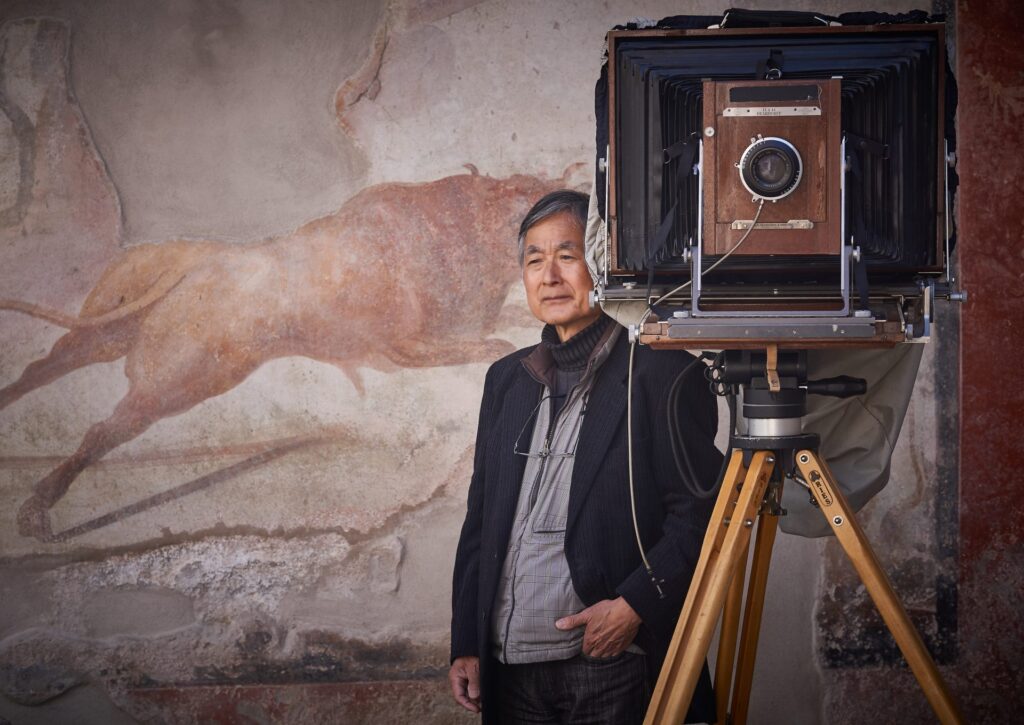
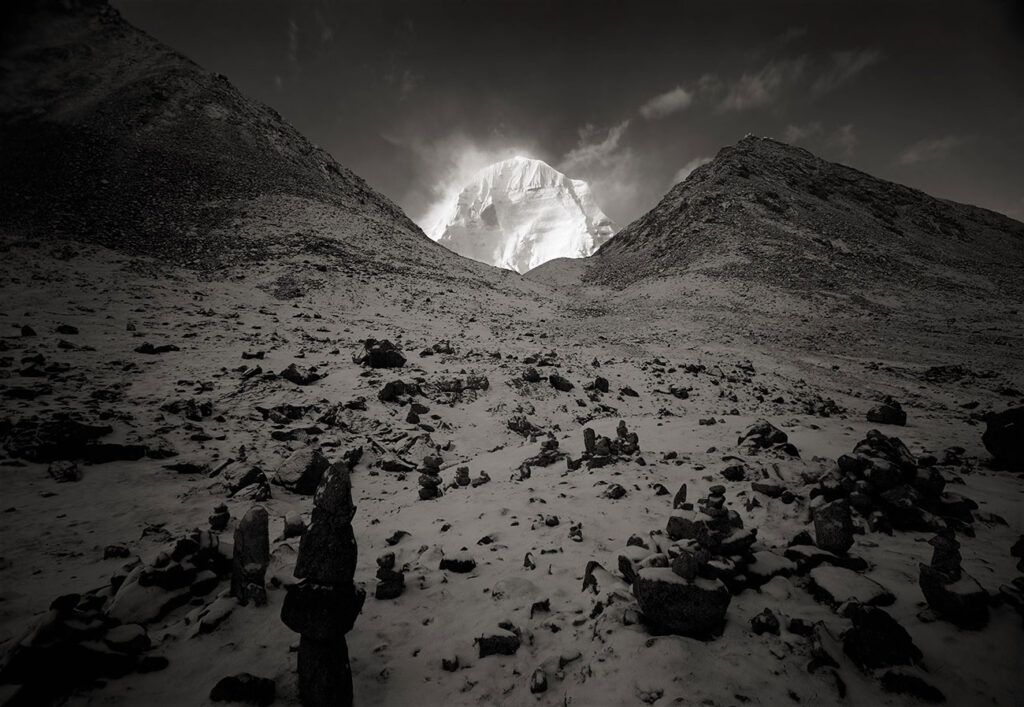
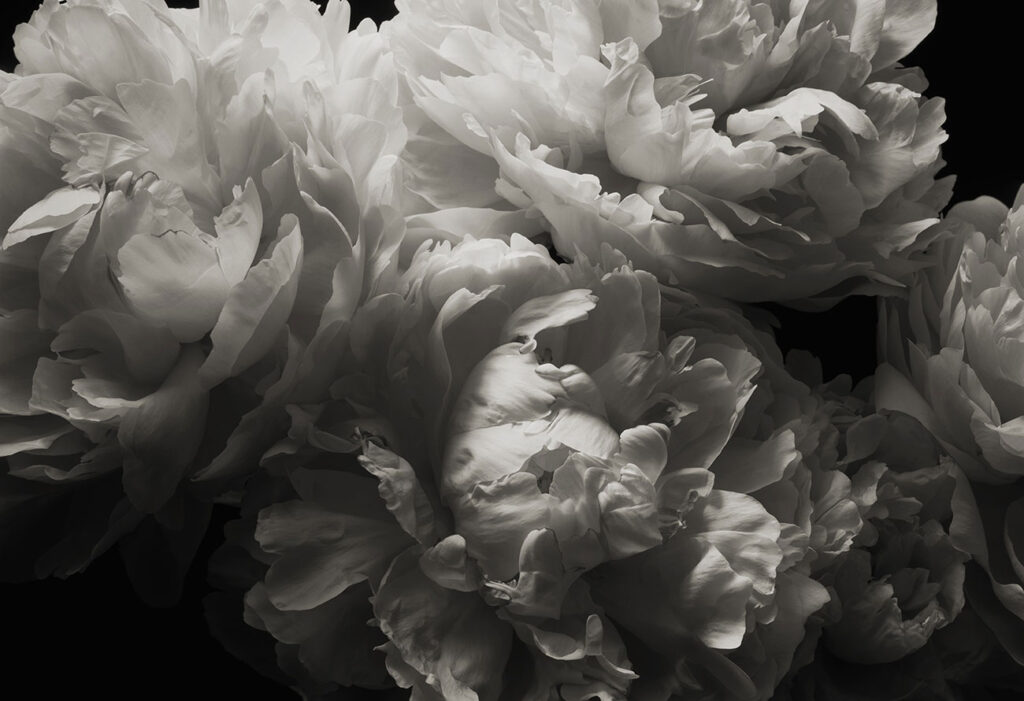
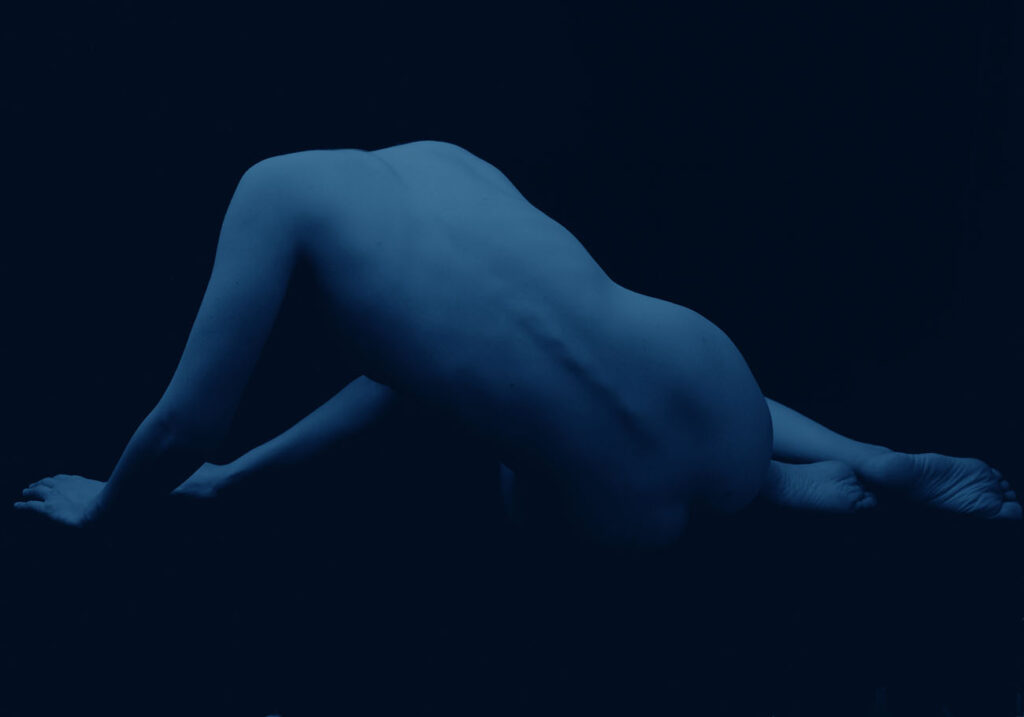
Born in Osaka in 1949 and raised in Hiroshima, Kenro Izu began photographing in the 1970s, completing his training at Nihon University in Tokyo. In 1970 he moved to New York, where he lived for fifty years before returning to Japan, to Kanazawa. Inspired by the images of the Victorian Francis Frith and by early photographic expeditions to Egypt, in 1979 he undertook his first journey to the land of the Pyramids, where he was deeply impressed by the spirituality of the place. From this experience and from the photographs taken during that journey began the series “Sacred Places”, the work that would become one of the pillars of his research: for more than thirty years, Izu travelled to increasingly distant destinations photographing some of the most evocative sacred places in the world, from Scotland to Mexico, from Cambodia to India and Indonesia, from Syria to Tibet, from Peru to Easter Island. Izu experimented with various cameras and photographic techniques, eventually choosing the large-format view camera and platinum printing. Today, Kenro Izu is considered one of the most expert printers working with the platinum-palladium technique, the monochrome photographic process capable of rendering the widest tonal range and bringing out every detail of the image in harmonious gradations. For years Izu sought sacred stone architecture both in the most touristic destinations and in the most remote places of worship in the world, reached through long journeys on foot, sometimes on horseback, carrying dozens of kilos of analog photographic equipment and a limited number of negatives. The compositions are always rigorous, the pace slow, in keeping with the spiritual dimension of the subjects depicted. It is worth recalling that in 1984, thanks to a grant of 16,000 dollars from the American National Endowment for the Arts, he commissioned the renowned Jack Deardoff workshop to develop a view camera for 35×50 cm negatives, a unique example of the most imposing portable camera in the world.