Daido Moriyama
LIPS LIPS LIPS!
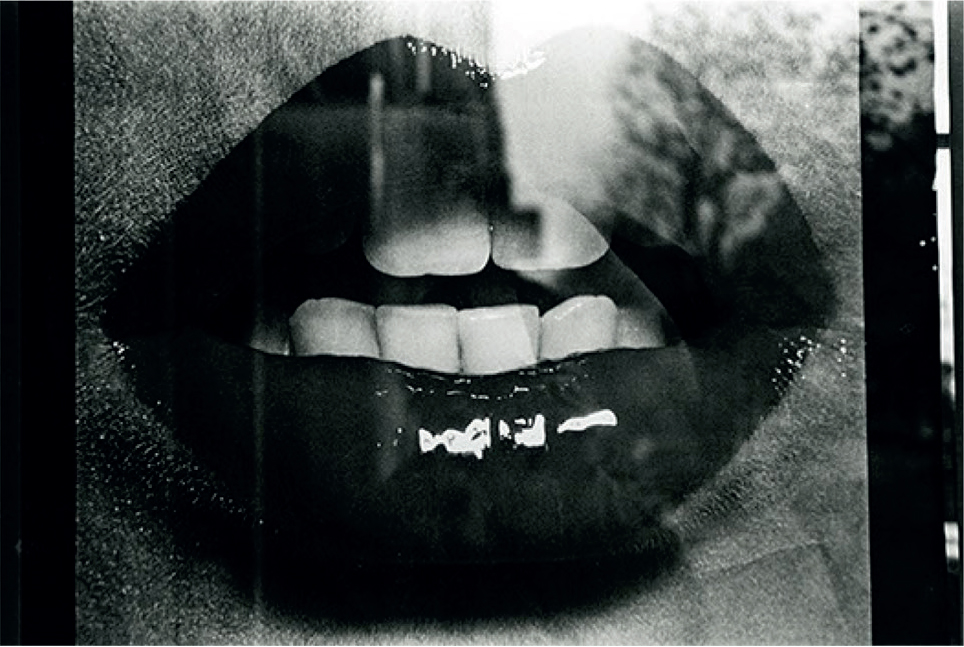
In Daido Moriyama’s work, the motif of lips occupies a significant place within his exploration of the city, the image and contemporary visual culture. Lips are not merely a detail of the human body, but become a symbol of desire, consumption and communication, capable of encapsulating the contradictions of urban society.
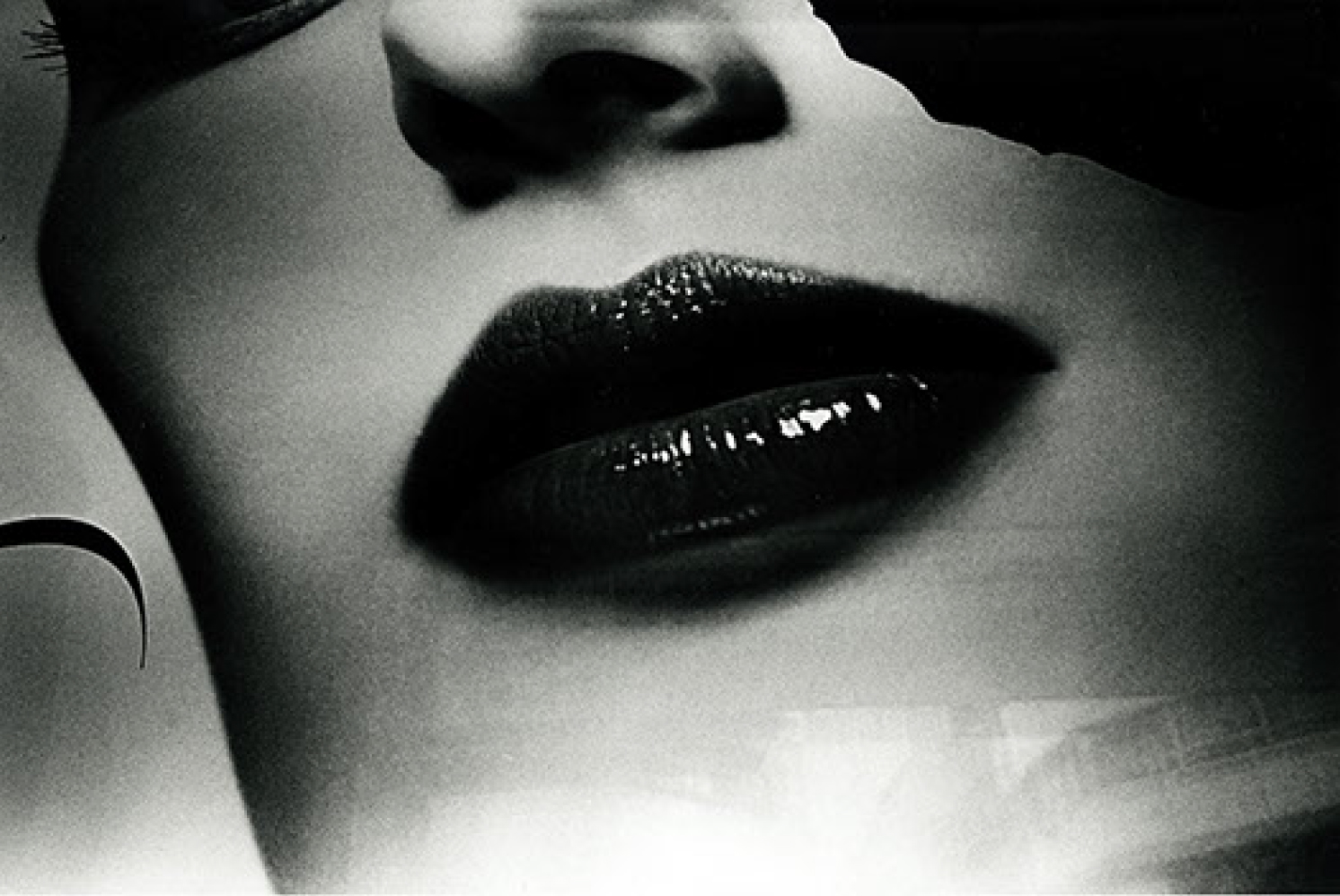
A key aspect of his work is that many of the images of lips do not depict real people, but are taken from advertising posters, neon signs and large roadside billboards. Moriyama photographs existing images, appropriating fragments of commercial communication that invade the urban space. In this way, the lips lose their original advertising function and take on new meanings, becoming enigmatic and powerful icons.
Moriyama’s photographic language, characterised by strong contrasts, visible grain, blurring and close-ups, accentuates this transformation. The lips, often isolated from the face and enlarged to occupy almost the entire frame, appear suspended between reality and representation. The viewer is not simply looking at a mouth, but at an image of an image – a sign that reflects the constant interplay between everyday experience and the visual bombardment of the metropolis.
Through these details, Moriyama challenges the boundary between documentary photography and artistic interpretation. His lips, torn from the language of advertising, become poetic fragments of the city and bear witness to how photography can transform a mundane element of mass culture into a work rich in tension, memory and ambiguity.
The theme of lips reveals one of the most original aspects of Daido Moriyama’s poetics: his ability to find profound meanings in the images that populate the urban space. By photographing mainly posters and billboards, the artist does not merely document the city, but reflects on the power of images to shape the gaze and the imagination of contemporary society.
In this way, Moriyama presents a vision of the city as a place saturated with visual signs, where photography does not simply record reality but reinvents it. These lips, torn from the flow of commercial communication, are thus transformed into symbols of urban modernity and of the power that images wield over the collective imagination. Their presence reveals one of the most profound aspects of the artist’s poetics: the ability to attribute new meaning to ordinary elements of daily life, demonstrating how photography can redefine the way we view the world.
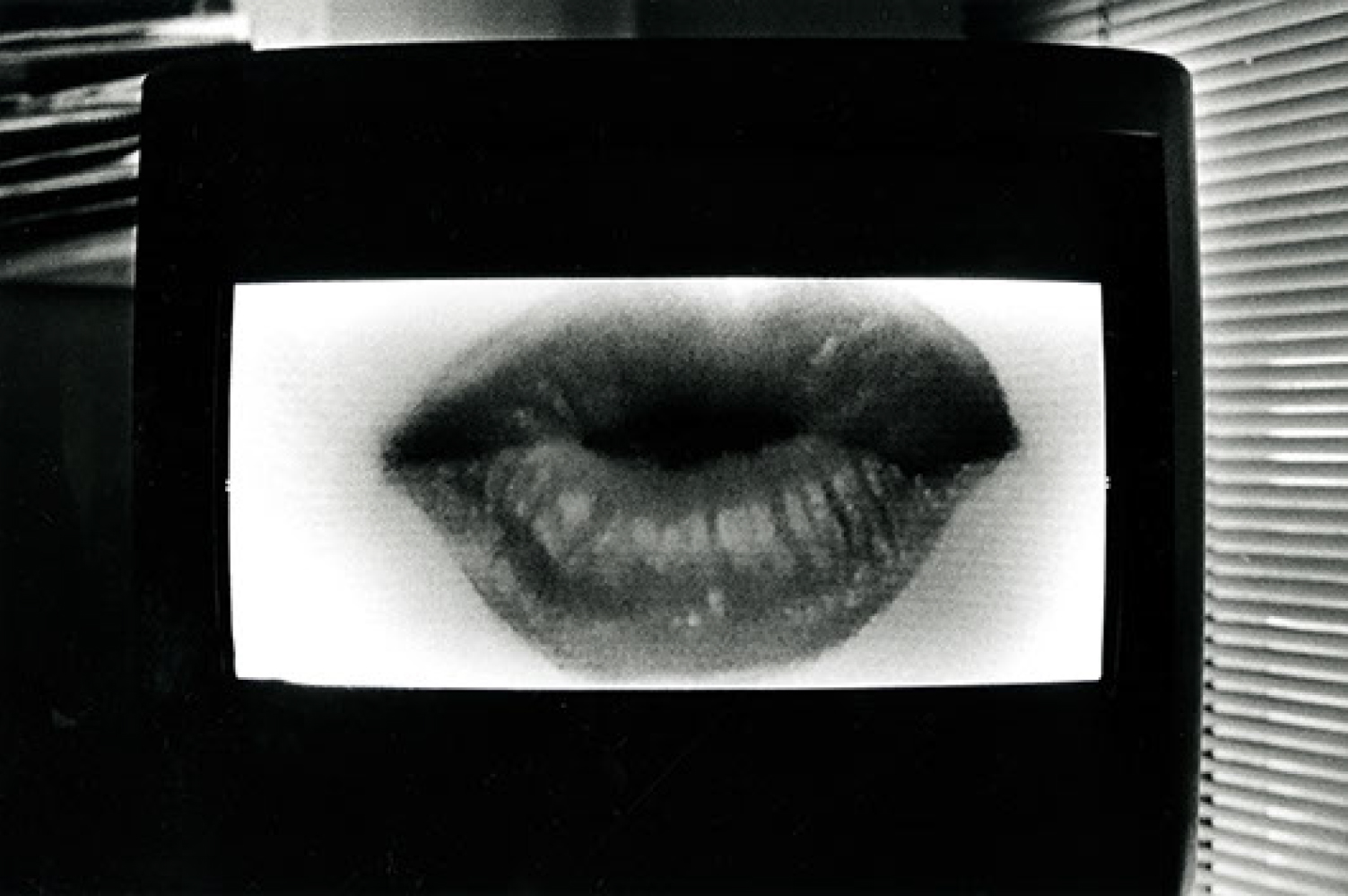
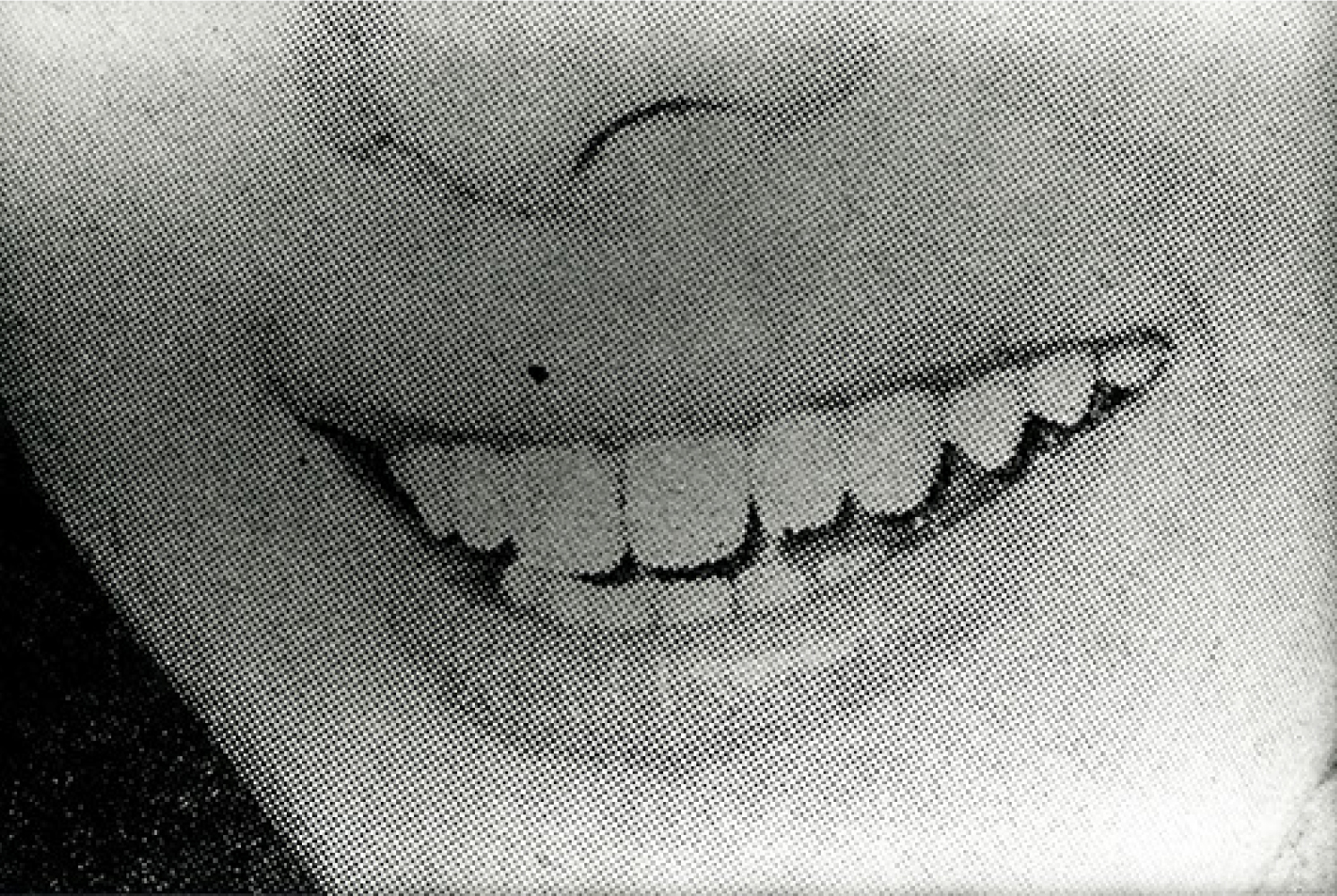
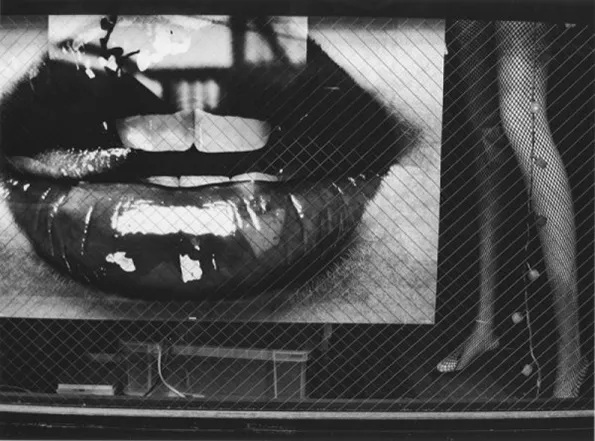
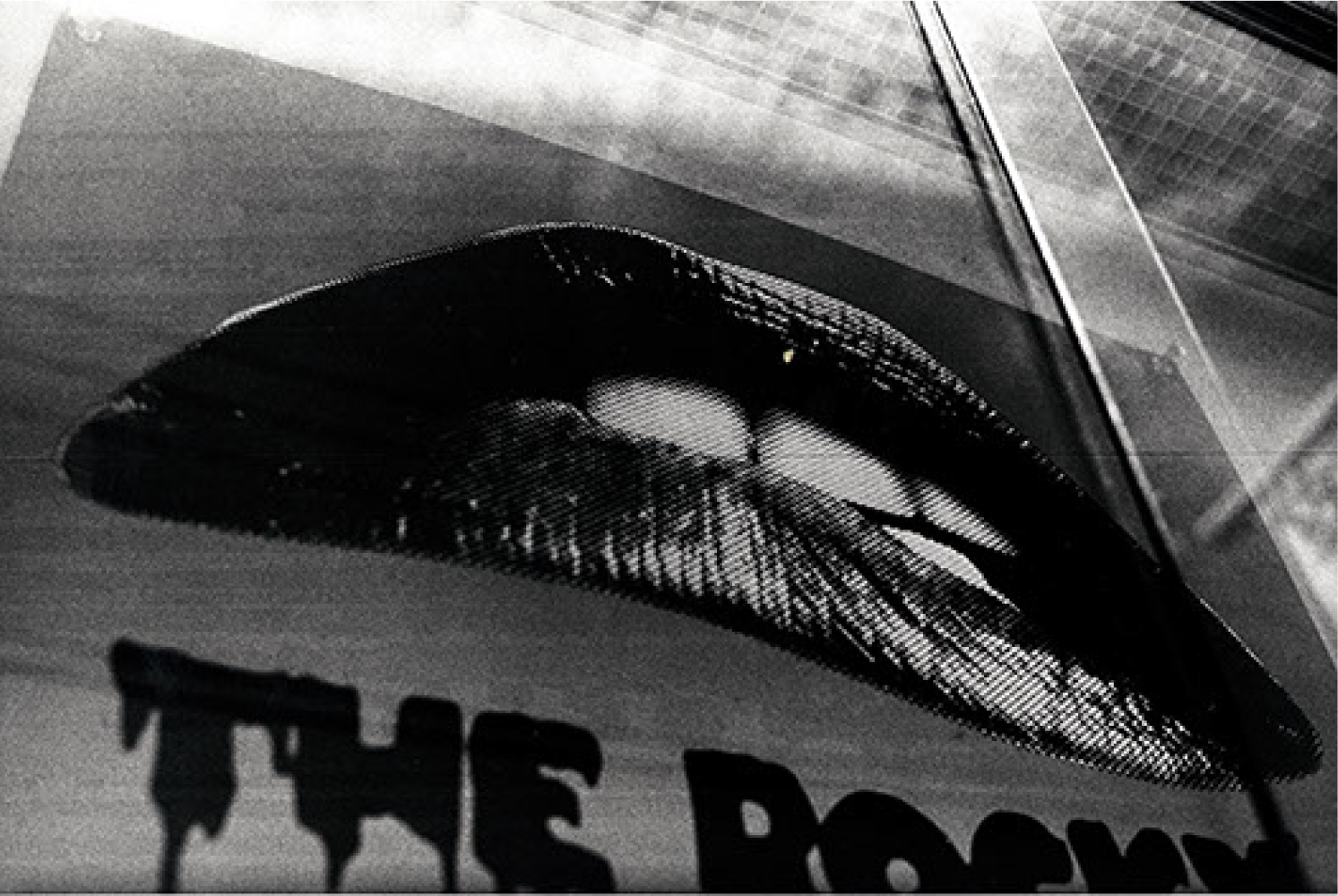
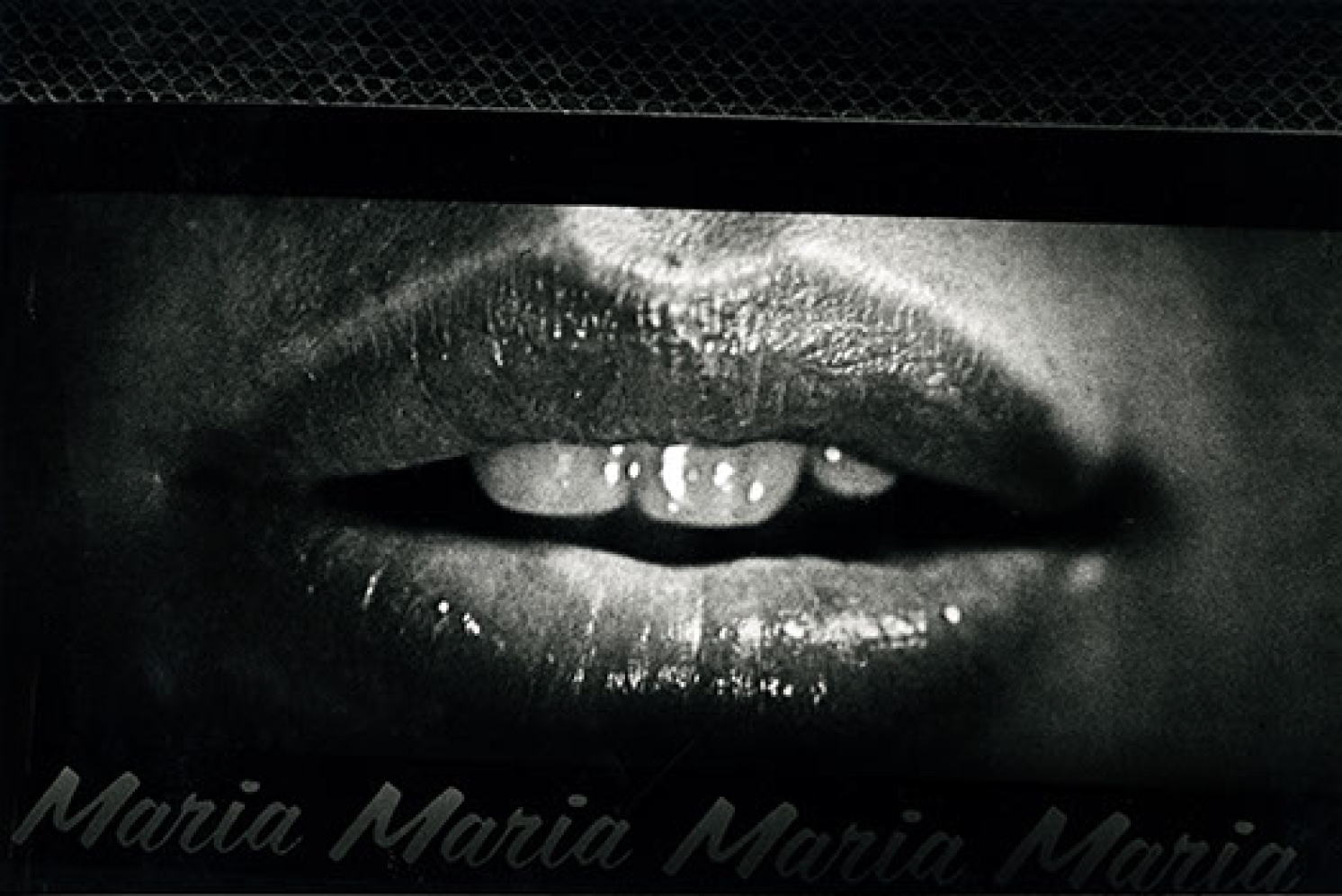
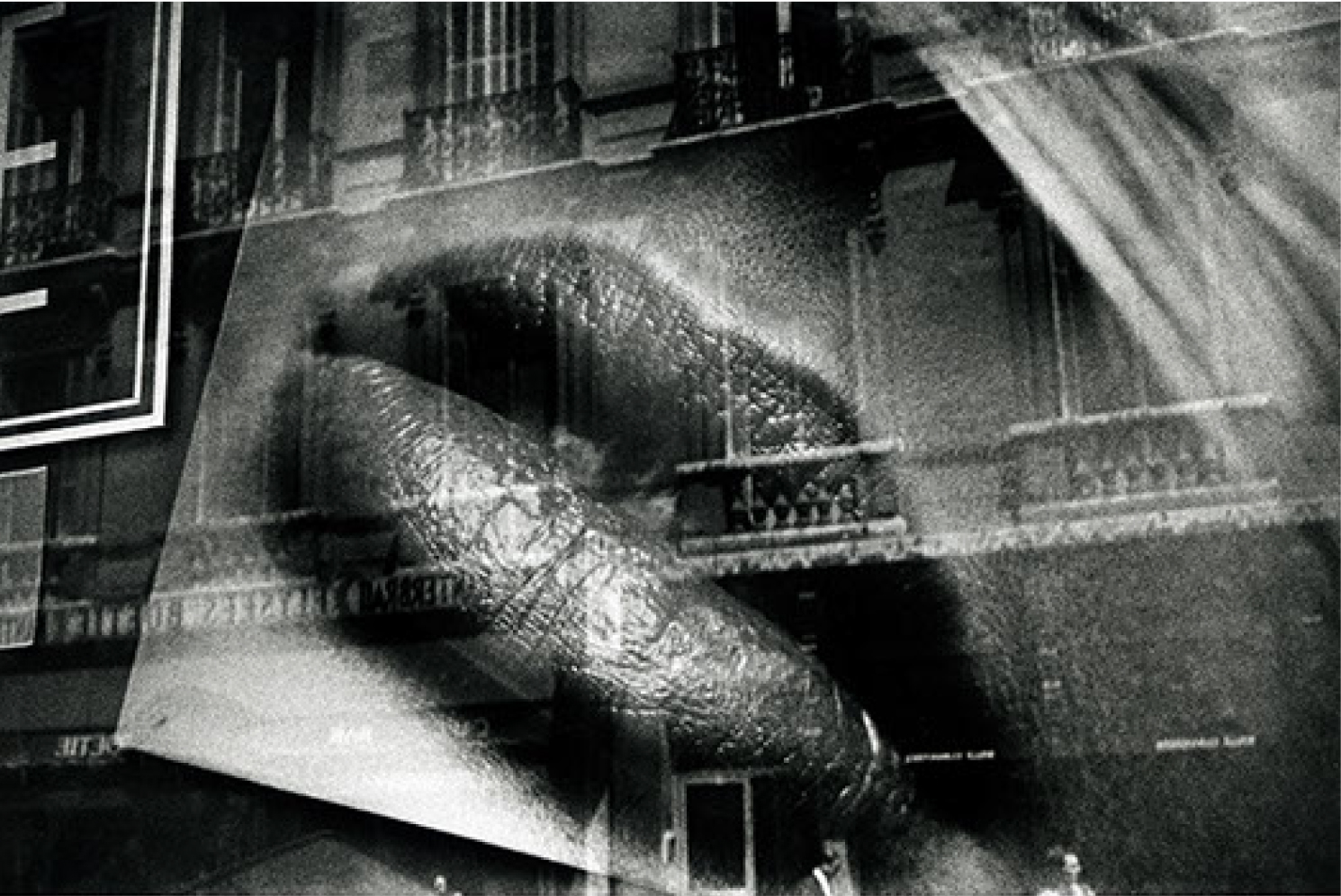
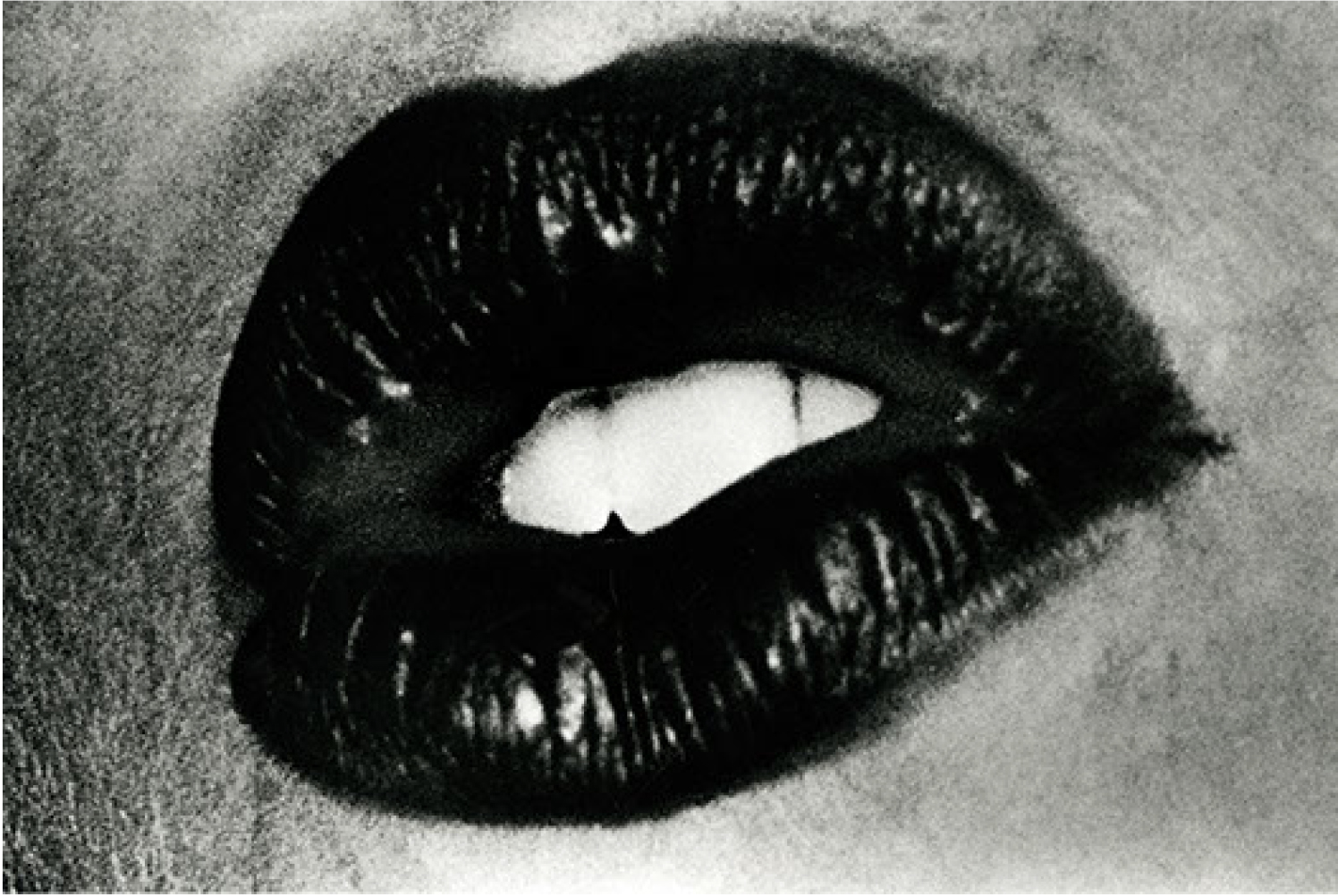
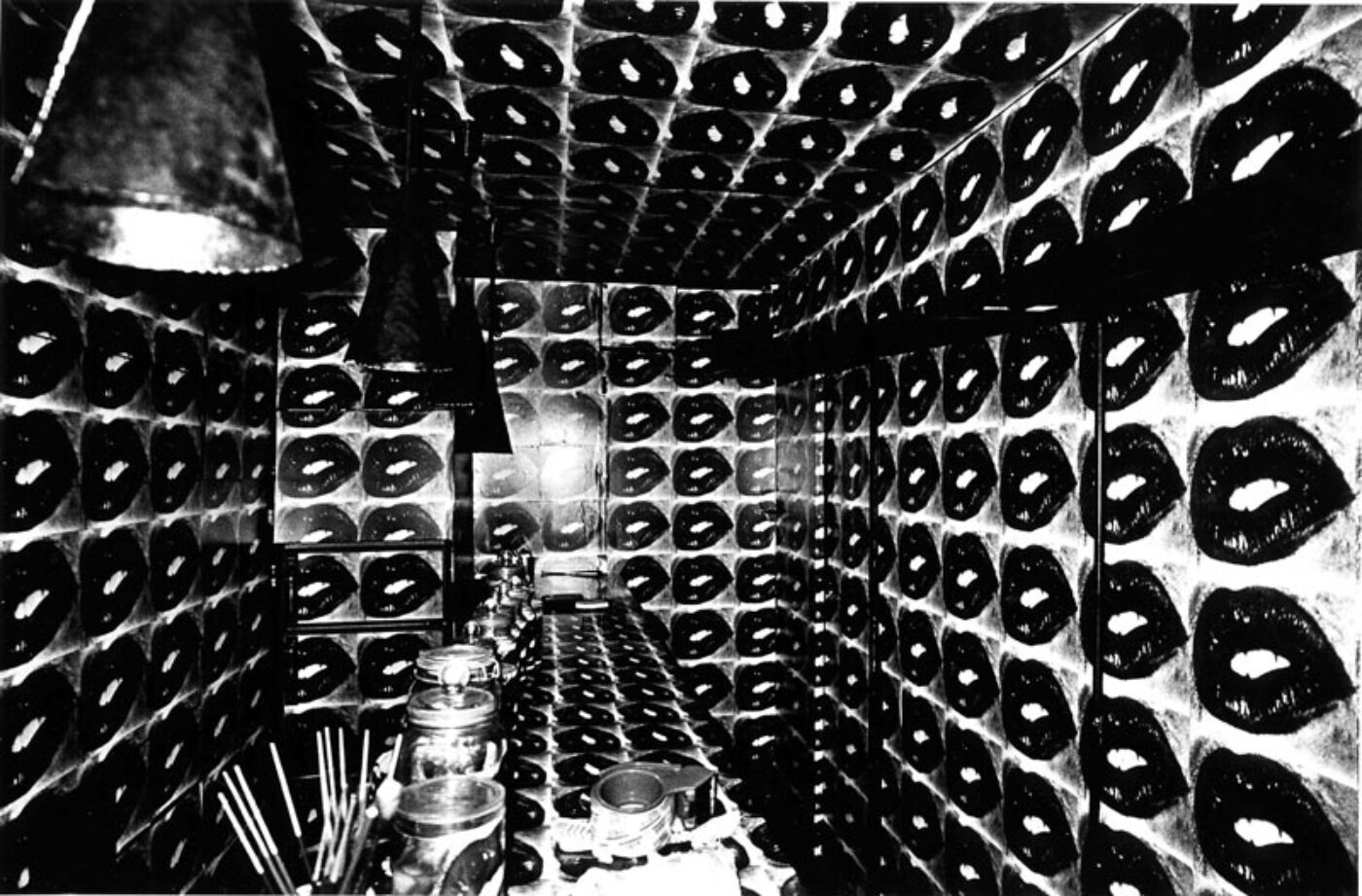
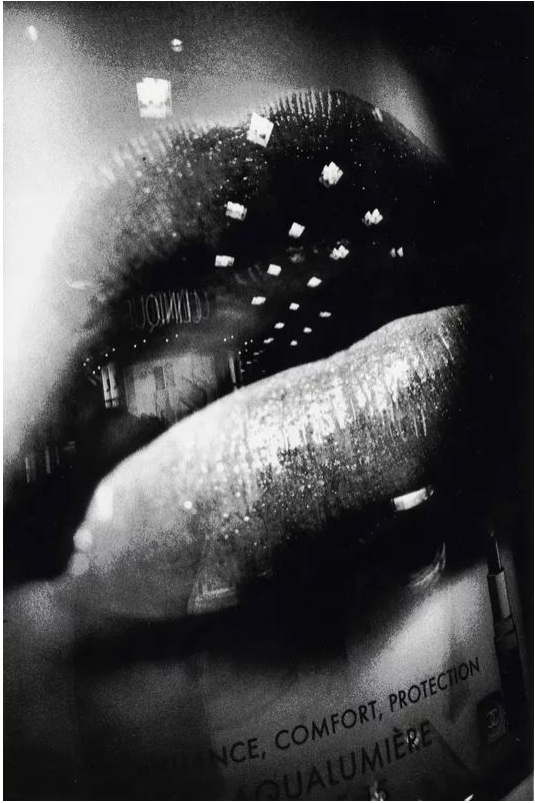
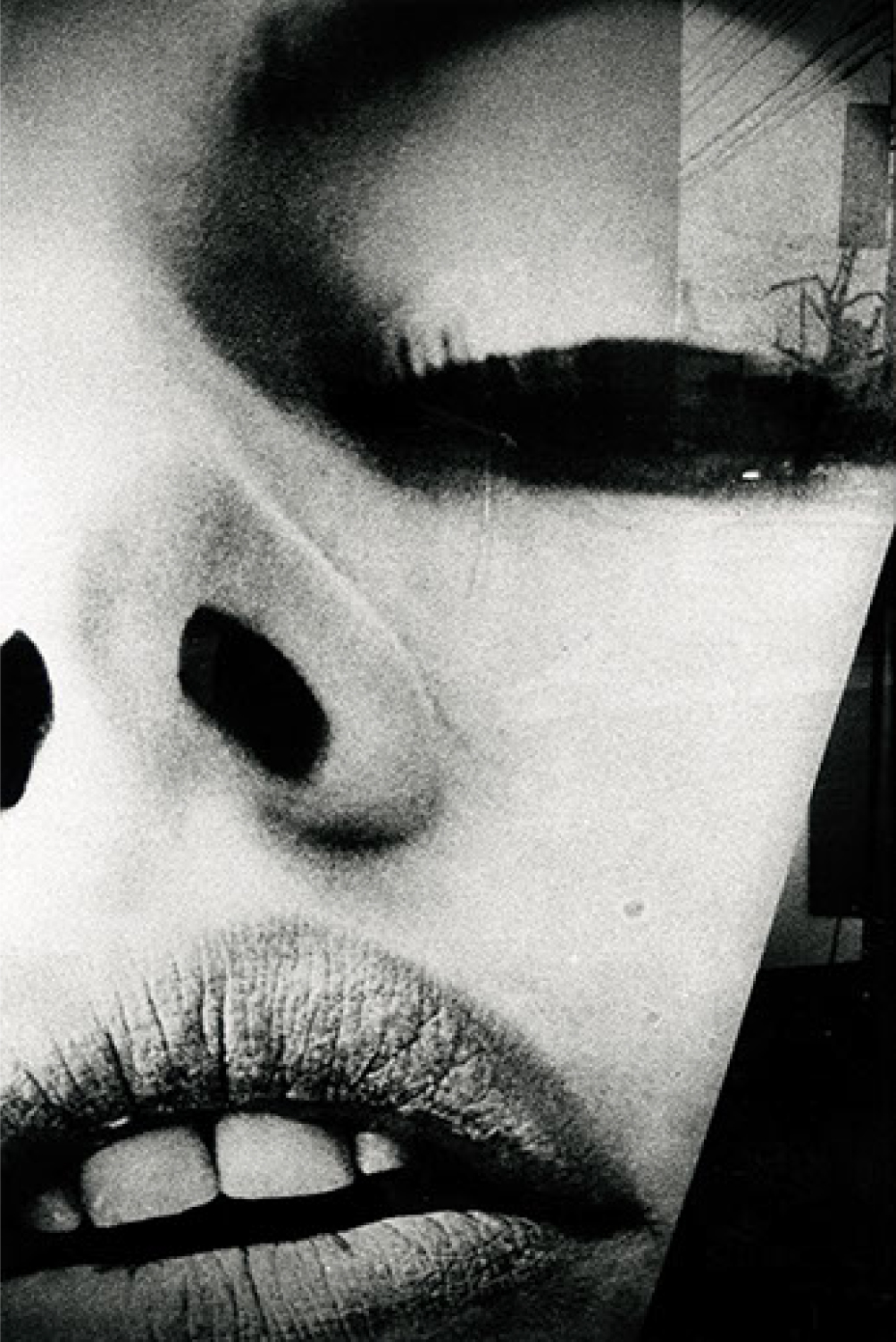
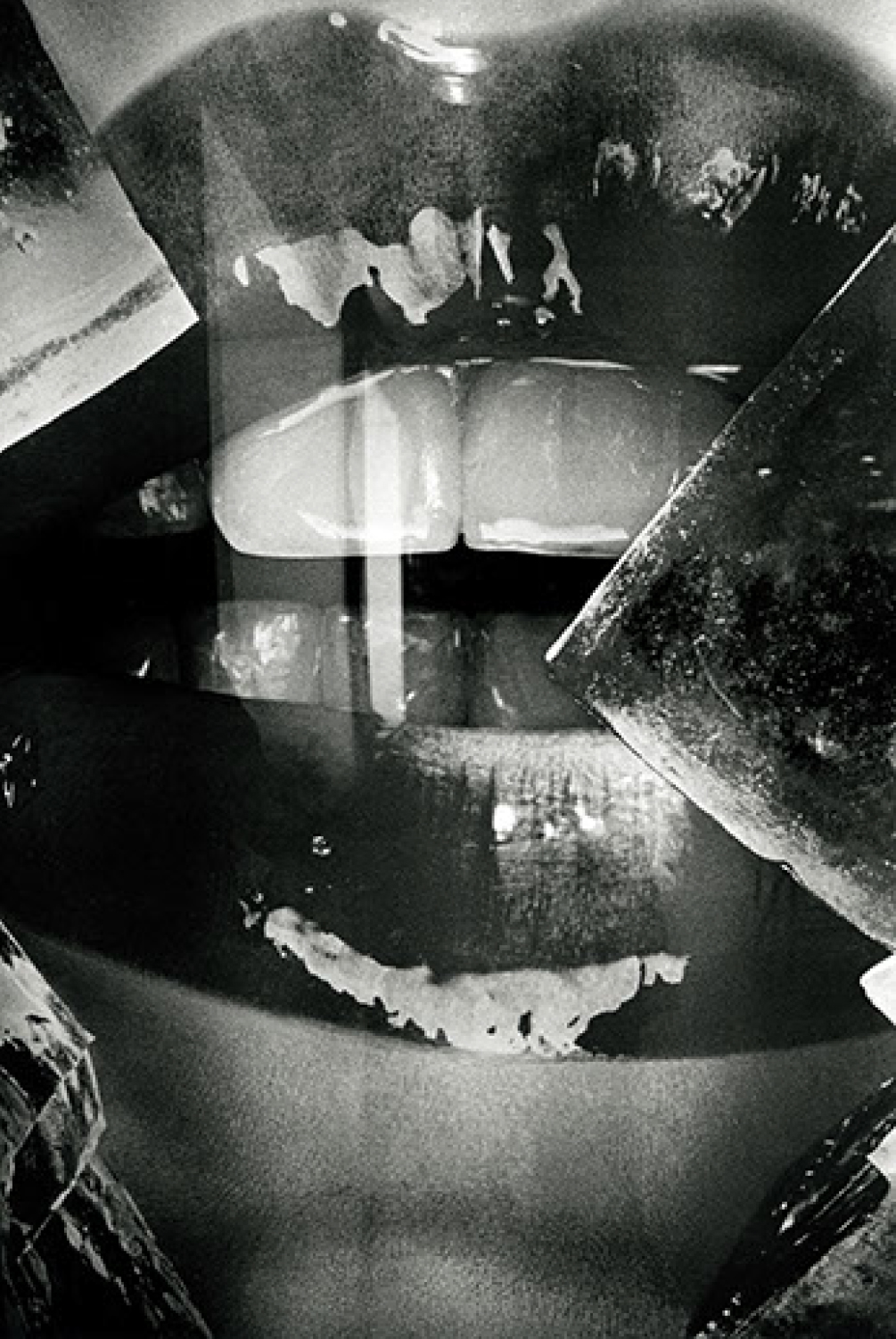
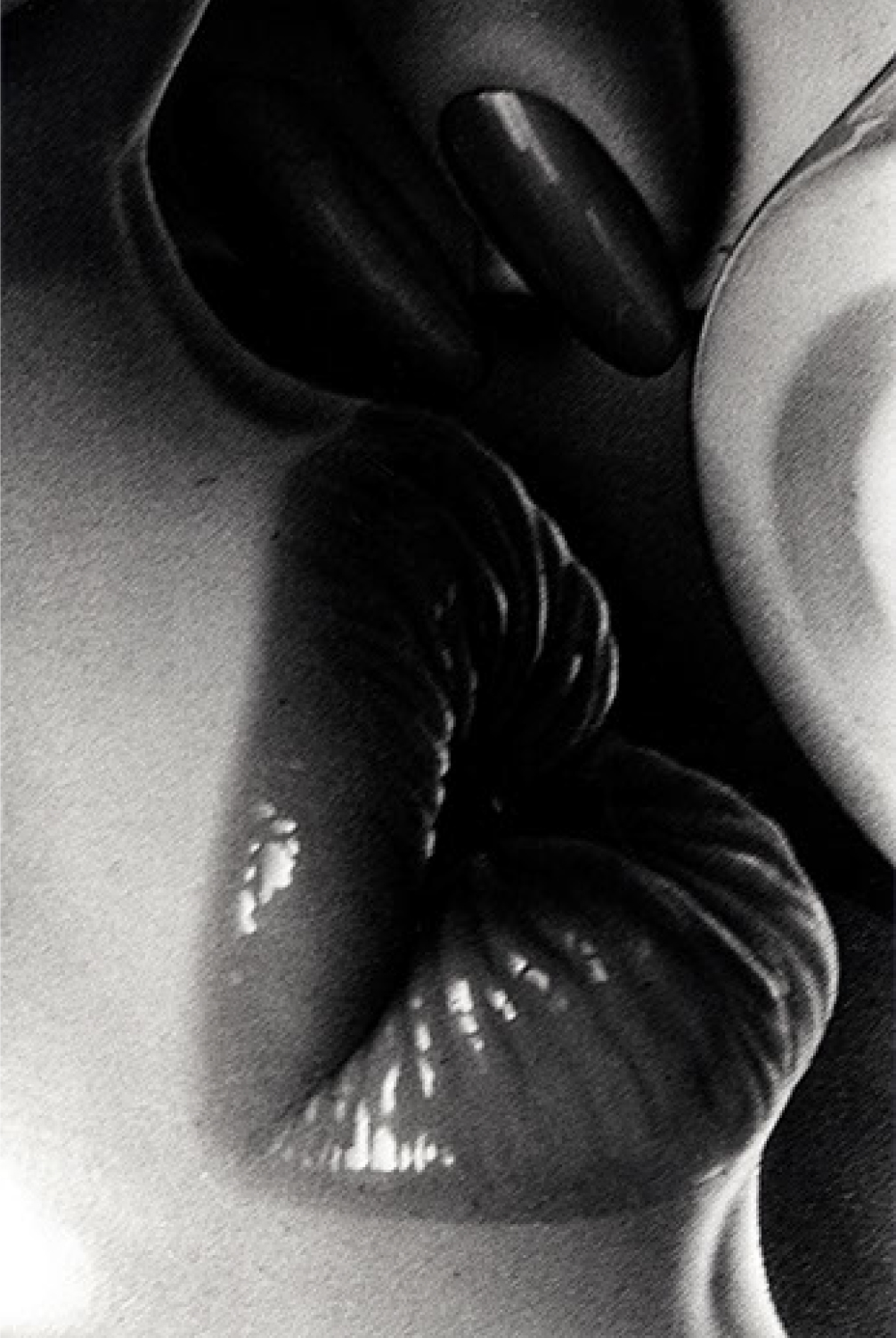
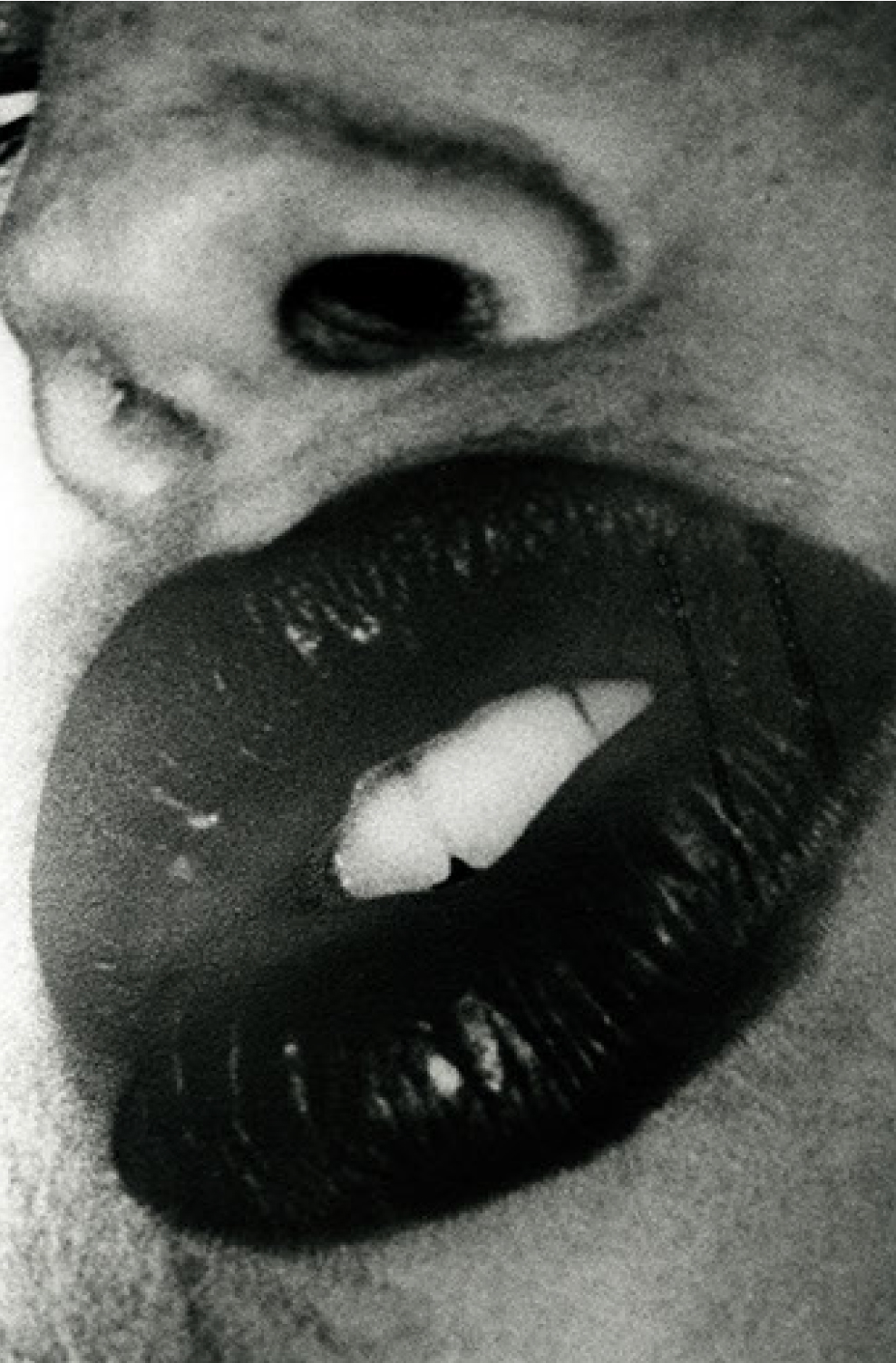
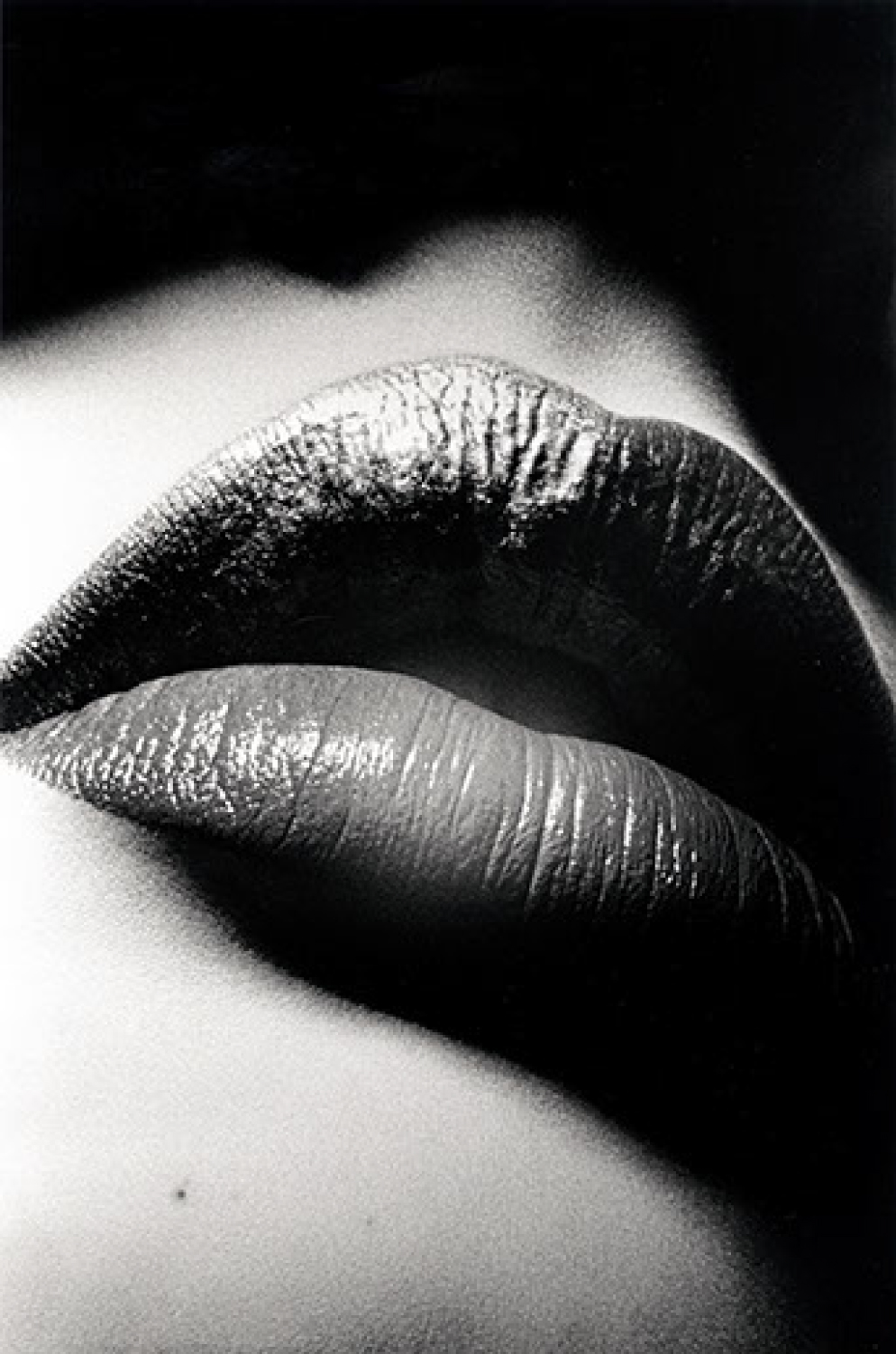
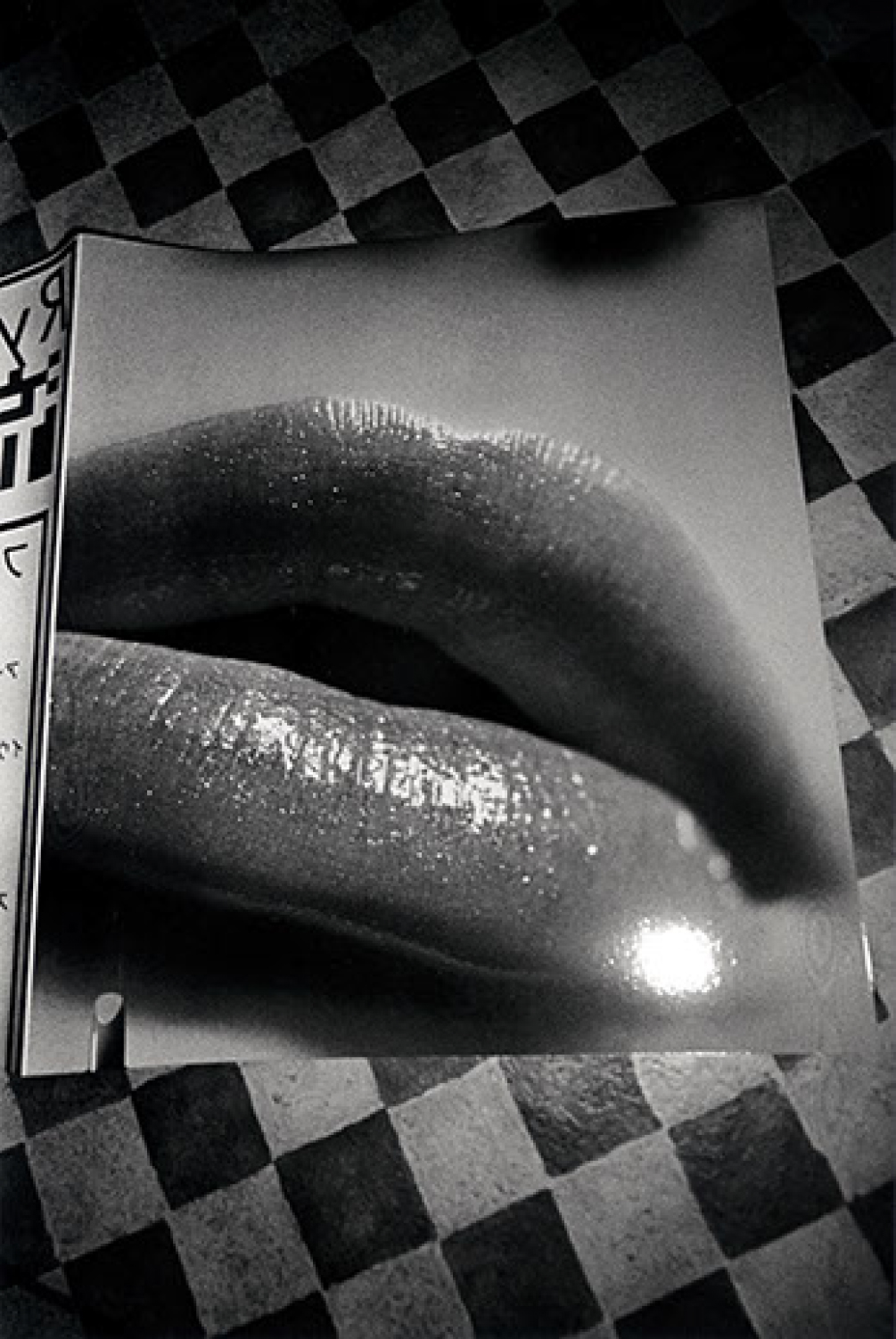
Tomo Kosuga: Advertising posters, billboards, television screens, and other pre-existing images often appear in your photographs. Is there a difference, for you, between photographing these images and photographing reality directly?
Daido Moriyama: In my view, there is no substantial distinction. Posters, billboards, movie or television screens, and everything that appears in everyday city life are perceived with the same visual immediacy. For this reason, I don’t feel the need to separate “real” objects from their reproductions. Everything I encounter in urban space belongs to the same realm of experience and can become a photographic subject.
When I walk through Tokyo, I don’t select subjects in advance. My gaze reacts to whatever it encounters: people, signs, printed photographs, store windows, reflections, and posters. I don’t photograph billboards because they represent something, but because they have become an integral part of the urban landscape and its everyday experience.